This is some text inside of a div block.
Search across the whole Roadsides site


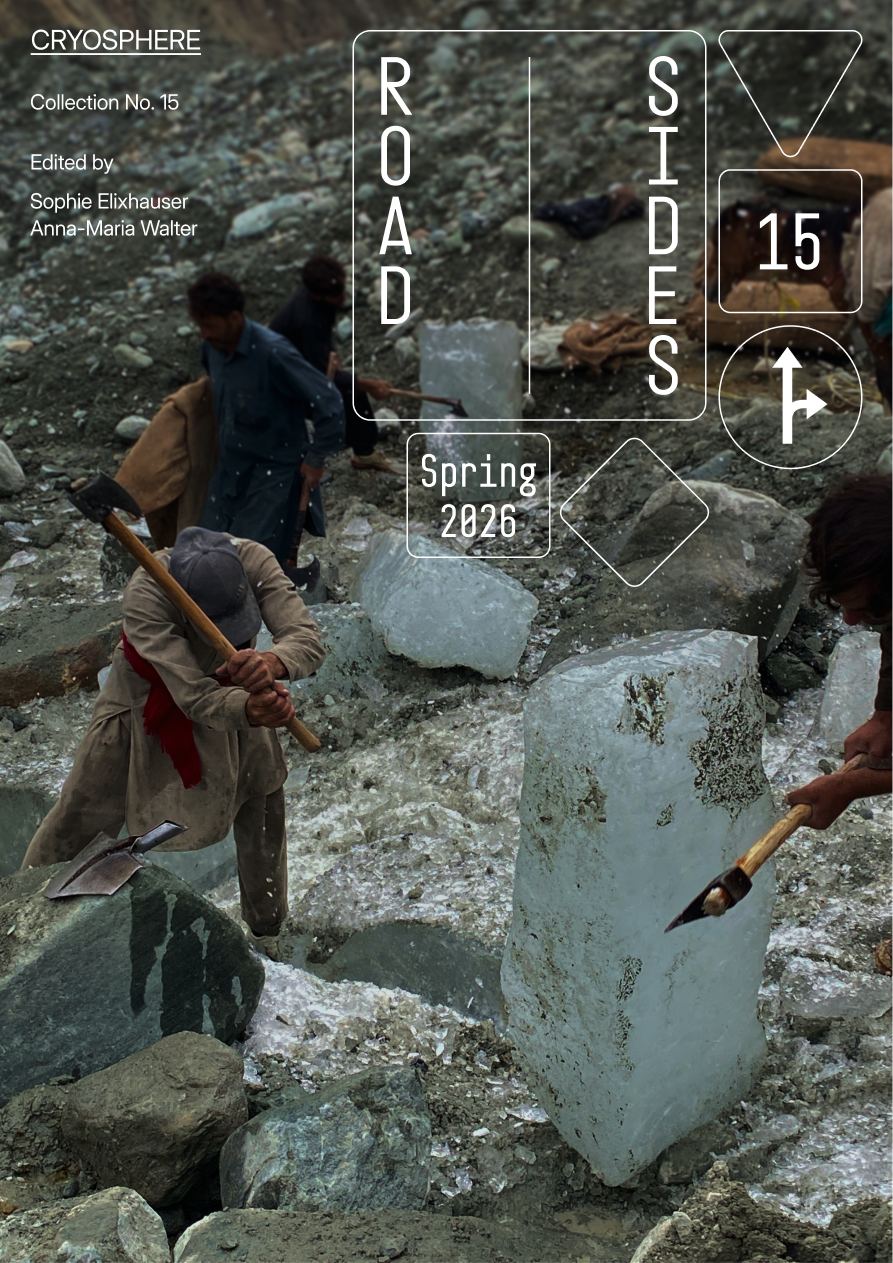
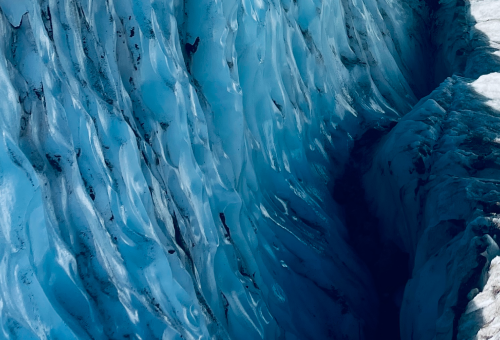
This collection brings together diverse geographies, scales, and temporalities to examine snow and ice through bodily perceptions, local and planetary entanglements and multiple ways of knowing, including Indigenous, place-based and scientific perspectives. It conceptualizes the changing cryosphere as infrastructure that unfolds through non-built yet highly relational environmental formations. This foregrounds snow and ice as more-than-physical assemblages utilised and co-created by humans and non-human agencies. Conceived as a zone spanning from ice crystals in clouds to permafrost in the ground, the cryosphere highlights the translocal interconnections of anthropogenic climate change and enables the linking of processes across multiple scales. At the same time, it encompasses the epistemic, cultural and scientific practices through which icy realities are produced for diverse actors and beings along the continuum of frozen water.
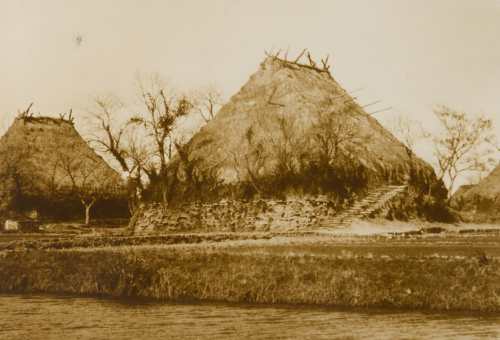
Across the collection, a shared tension emerges between disappearing ice and transforming livelihoods, reflecting both the ephemerality of snow and glaciers and the acceleration of environmental change. Artistic, historical and ethnographic approaches reveal ice as at once familiar and unruly, challenging dominant narratives of control, extraction and technological mastery. Contributions explore everyday encounters with unstable ice, the unsettling persistence of “dying” glacial infrastructures, and the frictions between scientific abstraction and embodied experience. Historical perspectives illustrate how colonial and imperial knowledge practices rendered ice static and legible, while other accounts recover alternative trajectories of knowledge circulation and environmental engagement beyond Euro-American frames.
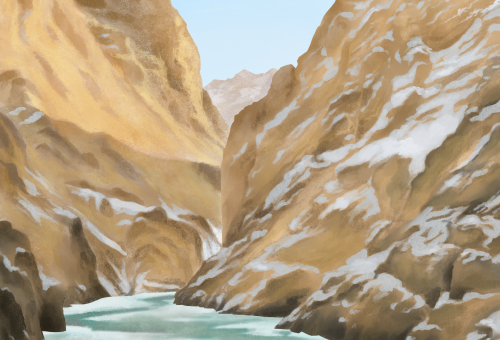
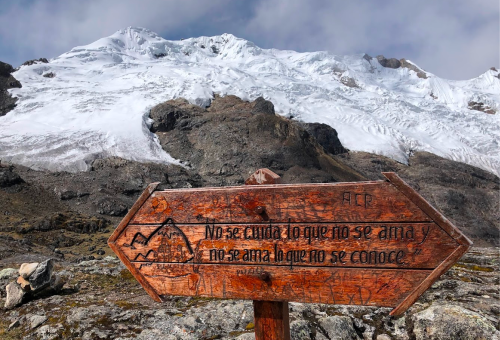
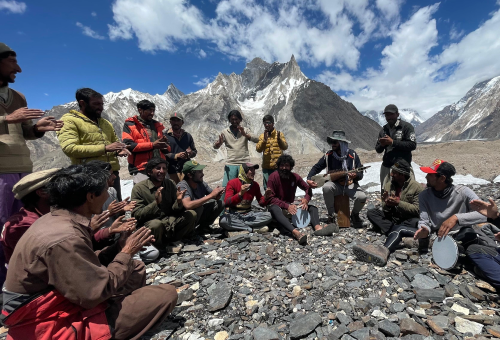
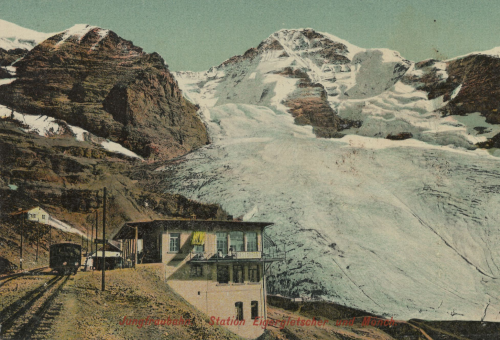
Case studies from mountain and polar regions further highlight spiritual engagements, cultural innovation and shifting practices of belonging. From Chinese cooling practices and Andean ritual to musical experimentation in the Pamirs, contributions show how communities sustain and rework relationships with changing cryospheric environments. Others trace how tourism, science and visual cultures have shaped imaginaries of ice, from early alpine photography to contemporary digital mediation.
Rather than treating ice as an inert backdrop or resource, the collection invites an epistemological reorientation. It positions the cryosphere as dynamic, sensitive infrastructure and a site where power, care and identity intersect. In doing so, it calls for forms of attentiveness grounded in patience, reciprocity and openness—approaches attuned to the slow, emergent and relational qualities of frozen worlds.
Snow and ice have long served as vital resources for human and non-human inhabitants of this planet. Today the world is experiencing immense changes to the cryosphere. Glaciers are melting, snowfall is increasingly variable, snowlines and precipitation patterns are shifting, permafrost is thawing, and the ground is becoming unstable. The security of water and food supplies is already severely compromised for many people around the globe, especially Indigenous and vulnerable communities, as is mobility on frozen matter.
In this issue, we argue for approaching the changing cryosphere as a form of infrastructure, as something that humans, other species and spiritual beings utilise and co-create. Instead of focusing on the built environment or the often-unpredictable effects of infrastructural projects, contributions will address the harnessing and co-production of cryospheric structures and processes by various actors. Our aim is to explore the diversity of experiences, memories and multi-sensory perceptions through which science, local populations and visitors have developed different practices and strategies for engaging with (or disengaging from) snow and ice. To grasp the intimate and processual character of such interactions, it is crucial to consider the materiality and the affective dimensions of water in its frozen state. The conception of ice as vital matter (Gagné and Drew 2024) captures its phenomenological dimensions and the ways in which the cryosphere, in its various states, engages the senses, emotions and imagination.
Reflecting global power asymmetries, climate change on a planetary scale produces manifold realities on the ground (e.g. Cruikshank 2005). Frozen topographies are often located away from the densely populated regions of the world, in high mountain ranges such as the Himalayas, the Andes and the Alps, or in the polar regions, but meltwater flows also connect them to populations living downstream or on the coast. We are therefore particularly interested in the intertwining of different geographies and scales, such as local phenomena and planetary issues, transnational scientific knowledge and localized or Indigenous ways of knowing. This ties in with questions of power and temporalities, as well as the socio-cultural value of and losses caused by frozen material. We further draw from the newly established interdisciplinary field of Ice Humanities, which conceptualizes ice as more-than-physics to highlight how “people and societies invent, create, and narrate ice (including snow) so that it becomes not only physical but embedded in our minds and identities” (Dodds and Sörlin 2022: 2). This issue seeks to bring together a variety of narrative and creative approaches to interactions with the thawing environment, with a vision to broaden our understanding of infrastructure as more-than-human and directly entangled with climatic changes.
To assemble past experiences and current mitigation and adaptation measures in light of the changing cryosphere, we invite contributions exploring – but not limited to – the following themes: